Vietnam Visa for Filipinos Stay Over 21 Days: Requirements & Process Explained
Traveling from the Philippines to Vietnam offers a wealth of cultural experiences, scenic landscapes, and vibrant cities. However, ensuring your visa arrangements meet your travel plans is crucial—especially if you intend to stay over 21 days. Understanding the nuances of Vietnam visa for Filipinos stay over 21 days can significantly streamline your journey, prevent legal issues, and allow you to embrace your adventure with confidence. In this comprehensive guide, we’ll explore everything you need to know—from visa types to application processes, and tips to make your stay memorable and hassle-free.
Understanding the Importance of the Vietnam Visa for Filipinos Staying Over 21 Days
Travelers from the Philippines need to familiarize themselves with visa requirements for Vietnam, especially when planning longer stays. A visa is an official endorsement allowing entry into Vietnam for a specific period and purpose. For those planning to stay more than 21 days, it’s essential to understand the different options available to them, as well as any potential restrictions.
Staying over 21 days without the appropriate visa or extension can lead to penalties, deportation, or future entry bans. Therefore, knowing the correct procedures ensures compliance with Vietnam’s immigration laws. This section emphasizes the importance of planning ahead and selecting the appropriate visa type based on your travel duration and activities.
In addition, the visa requirements might vary depending on whether you are traveling for tourism, business, or entering Vietnam for other purposes such as work or study. Understanding these distinctions helps travelers choose the most suitable visa category to avoid complications during their stay.
Finally, the evolving policies and diplomatic relations also impact visa regulations, so staying updated through official channels is key. No matter your purpose or length of stay, being well-informed about Vietnam visa for Filipinos stay over 21 days ensures a smoother travel experience and peace of mind.
Types of Visas for Filipinos Planning to Stay Over 21 Days in Vietnam
Before applying for a visa, it’s essential to understand the different types suited for Filipinos planning an extended stay in Vietnam. Each visa type has its own features, requirements, and validity periods, catering to various travel needs and preferences.
Tourist Visa – The Gateway to Vietnam’s Rich Culture
The most common way for Filipinos to visit Vietnam for an extended period is through the tourist visa. This visa typically allows a stay of up to 30 days, but it can be extended or renewed if your plans involve a longer visit. This type of visa is usually issued as a single-entry or multiple-entry visa, depending on your itinerary.
Travelers seeking to immerse themselves in Vietnam’s vibrant markets, historic sites, and breathtaking landscapes often opt for the tourist visa. When planning to stay over 21 days, it’s advisable to apply for an extended tourist visa or consider renewal options upon arrival. The process involves submitting necessary documents such as passport copies, photos, and proof of accommodation, alongside paying the applicable fees.
Tourist visas for stays over 21 days could require an approval letter from a Vietnamese travel agency or embassy, especially during peak seasons. The practicality of the tourist visa makes it an attractive option for prolonged tourism, provided all requirements are correctly fulfilled.
Business Visa – For Extended Business and Investment Engagements
If your purpose in Vietnam is business-oriented—such as meetings, negotiations, conferences, or exploring investment opportunities—the business visa is an ideal choice. Business visas usually have a longer validity, ranging from three months to one year, with multiple entries possible.
For Filipinos planning to stay over 21 days for business activities, securing a business visa allows for a more flexible and extended stay without the need for frequent visa runs. This visa requires an invitation letter from a Vietnamese host or company and other supporting documents, including your passport and proof of ties to the Philippines.
Applying for a business visa involves coordinating with Vietnamese consulates or embassies, and sometimes through authorized travel agencies. The process can be detailed, but it offers a solid legal basis for extended stays due to professional commitments. Having a business visa also simplifies extensions or modifications of your stay if your engagements with Vietnamese entities extend beyond initial plans.
E-Visas and Visa Exemptions
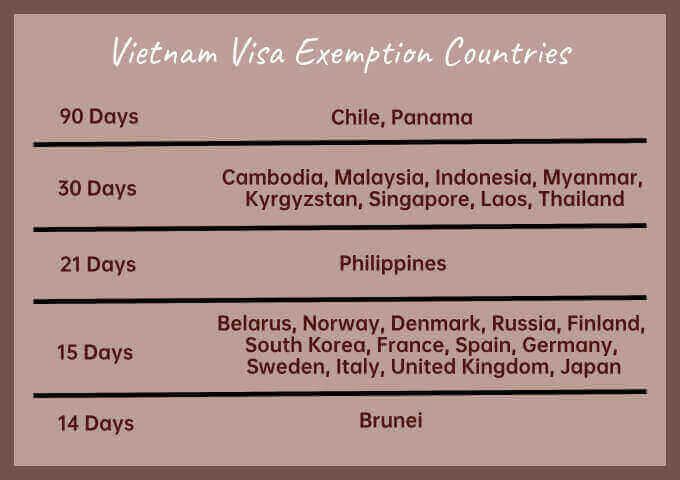
Vietnam has introduced e-visa options and visa exemption agreements with certain countries, but these typically apply for shorter stays of up to 15 or 30 days. For Filipinos planning to stay over 21 days, these options are usually limited or inapplicable, making traditional visas the better choice.
However, it’s important to stay updated on policy changes, as Vietnam continues to expand its e-visa program, which can simplify the application process. E-visas can be applied for online, saving time and effort, but they generally cater to short-term tourism or visits and are less suitable for longer stays.
Understanding these visa types helps Filipinos plan better and select the most appropriate visa category, thus avoiding potential overstays or legal complications. Regardless of the chosen visa, proper documentation and adherence to Vietnam’s immigration policies are crucial for a successful stay.
Step-by-Step Process to Secure a Vietnam Visa for Filipinos Stay Over 21 Days
Securing a visa for Vietnam involves several important steps that ensure your travel complies with Vietnamese law and that your stay is seamless. Preparing in advance, gathering accurate documentation, and understanding the application channels are key aspects of this process.
Application Procedures from the Philippine Perspective
Filipino travelers can apply for a Vietnam visa through the Vietnamese embassy or consulate in the Philippines, authorized travel agencies, or online e-visa platforms where applicable. It is advisable to check the latest requirements directly from official sources to avoid scams or misinformation.
The process begins with completing a visa application form, which can often be downloaded online or filled out at the consulate. Along with the form, applicants must prepare their valid Philippine passport—usually with at least six months of validity beyond the intended stay—and passport-sized photographs. Additional documents such as proof of accommodation, flight bookings, and financial statements might be required, depending on the visa type.
Once the documents are submitted, applicants pay the applicable fee, which varies based on visa type and processing speed. For those applying for an extended stay over 21 days, embassies or agencies might request an invitation letter from Vietnamese hosts or organizations. This step is indispensable for ensuring approval for longer durations.
The Role of Visa Agencies and Online Platforms
Many travelers opt to work with visa agencies to streamline the process. Agencies assist in preparing documentation, submitting applications, and sometimes processing visas faster. Their expertise can be beneficial, especially for complex visas like business or multiple-entry visas for stays over 21 days.
Online visa platforms are growing in popularity, offering a convenient way to apply for e-visas or visa approval letters. Filipinos planning a stay over 21 days can explore these options, but it is important to verify the authenticity and reliability of the platform. Problems like delays or rejected applications are common if applications are not properly managed.
Ensuring your application is thorough, truthful, and compliant with Vietnam’s regulations will significantly increase your chances of securing your visa smoothly. Proper planning and understanding the step-by-step process will make your journey enjoyable and stress-free, supporting your plans for a stay over 21 days or more.
Visa Extensions and Permits for Longer Stays
Once in Vietnam, travelers intending to stay over 21 days often need to consider visa extensions. These can be applied for at local immigration offices or through authorized agencies before your current visa expires to avoid overstays.
The extension process varies depending on visa type and current regulations. Typically, applicants need to submit supporting documents such as passport copies, proof of ongoing activity or purpose, and pay applicable fees. It’s advisable to start the extension process well before your visa’s expiration date to prevent legal issues or penalties.
For those staying for an extended period regularly, applying for a longer-term visa or multiple-entry visa might be more practical. These visas often come with simplified extension procedures and offer more flexibility to travelers who wish for indefinite or multiple stays in Vietnam over months or years.
Properly navigating the extension process ensures your visit remains lawful, comfortable, and free of unexpected disruptions, especially for stays over 21 days where prolonged legal residence is required.
FAQs about Vietnam Visa for Filipinos Stay Over 21 Days
Is it possible to extend my Vietnam visa beyond 21 days for Filipinos?
Yes, travelers can extend their Vietnam visa beyond 21 days by applying through local immigration offices or authorized agencies. The extension process involves submitting necessary documents and paying an extension fee. It’s recommended to start the process before your current visa expires to avoid penalties.
Can I apply for a Vietnam visa online if I plan to stay over 21 days?
While Vietnam offers e-visas for short-term visits, these are generally limited to 30 days or less. For stays exceeding 21 days, it’s usually necessary to apply through the Vietnamese embassy or authorized agencies to obtain a longer-term visa or a letter of approval.
What documents are required for Filipinos to apply for a Vietnam visa over 21 days?
Common documents include your valid Philippine passport, passport-sized photographs, application form, proof of travel arrangements, accommodation bookings, and a visa approval letter or invitation letter if applicable. Specific requirements may vary depending on the visa type.
How long does it take to process a Vietnam visa for Filipinos intending to stay over 21 days?
Processing times vary depending on the application channel—embassy, agency, or online platform. Typically, standard processing takes around three to five business days, but expedited services are available for faster approvals, especially if planned well in advance.
Are there any special considerations for Filipinos applying for a business visa for stays over 21 days?
Filipinos seeking a business visa should obtain an official invitation letter from a Vietnamese partner or company. They must submit supporting documents like business registration proof, itinerary, and proof of financial means. Business visas tend to have longer validity and multiple entries, suitable for extended projects.
Conclusion
Navigating the Vietnam visa process for Filipinos stay over 21 days requires careful planning, understanding the different visa categories, and adhering to application procedures. Whether opting for a tourist or business visa, travelers must ensure they meet all requirements to enjoy their stay without legal complications. Preparing documents, considering extension options, and staying updated on Vietnam’s visa policies are vital for a successful long-term visit. With thorough preparation, Filipinos can experience Vietnam’s rich culture, welcoming people, and stunning landscapes fully and confidently—making their extended stay truly memorable and enjoyable.