Essential Vietnam Visa Tips and How to Apply from Thailand for a Hassle-Free Journey
Navigating international travel can be a daunting task, especially when it comes to understanding visa requirements. Vietnam Visa Tips and How to Apply from Thailand will provide you with valuable insights on acquiring the necessary documentation to explore the stunning landscapes, rich culture, and mouth-watering cuisine of Vietnam.
Introduction: Navigating Vietnam Visa Requirements from Thailand

When planning a trip to Vietnam from Thailand, one of the most crucial steps is understanding the visa requirements that apply to you. As a tourist or business traveler, securing the right visa can determine whether your adventure unfolds smoothly or becomes a source of frustration. This guide is designed to help you navigate the complexities of obtaining a Vietnam visa from Thailand, ensuring that your journey is filled with excitement rather than stress.
The visa regulations in Vietnam are subject to change and can vary based on your nationality, travel purpose, and duration of stay. Therefore, being well-informed about the visa application process is essential to avoid any last-minute complications. In the sections below, we will delve into various aspects of the Vietnam visa procedure, including types of visas available, eligibility criteria, required documents, and tips to make the application smoother.
Understanding Vietnam Visa Types: Which Option is Right for You?
Before applying for a visa, it’s vital to understand the different types that Vietnam offers. Knowing which visa suits your travel plans will save you time and potentially money.
Tourist Visa: The Most Common Choice
For travelers heading to Vietnam for leisure, the tourist visa is typically the first choice. The single-entry tourist visa usually allows stays of up to 30 days, while the multiple-entry option permits multiple visits within a specified period.
Tourist visas can be issued with various durations:
- 1 month single entry
- 3 months single entry
- 3 months multiple entries
Applying for a tourist visa can often be done directly at the Vietnamese embassy or through an online application process.
Business Visa: For Corporate Travelers
If your trip involves work-related activities or meetings, then a business visa is necessary. This type of visa facilitates participation in conferences, business discussions, and other professional engagements.
Business visas are generally categorized into:
- 1 month single entry
- 3 months single entry
- 3 months multiple entries
It’s important to ensure that your employer provides the necessary documentation for this visa type if you’re applying through a company.
Transit Visa: Short Stops in Vietnam
Travelers who are merely passing through Vietnam en route to another country may require a transit visa. Usually valid for a short duration, this visa allows you to exit the airport and explore the surrounding area briefly.
Typically, a transit visa allows a stay of up to 5 days, but always check specific restrictions and conditions prior to your travel.
Other Visa Types: Exploring Further Options
In addition to tourist and business visas, Vietnam also offers student visas, family reunion visas, and diplomatic visas, among others. Each type has its own set of regulations and requirements, so assess your situation carefully to choose the appropriate category.
Understanding the nuances of these visa types not only helps you apply correctly but also ensures compliance with local laws during your stay in Vietnam.
Eligibility Criteria: Ensuring You Meet Vietnam Visa Requirements
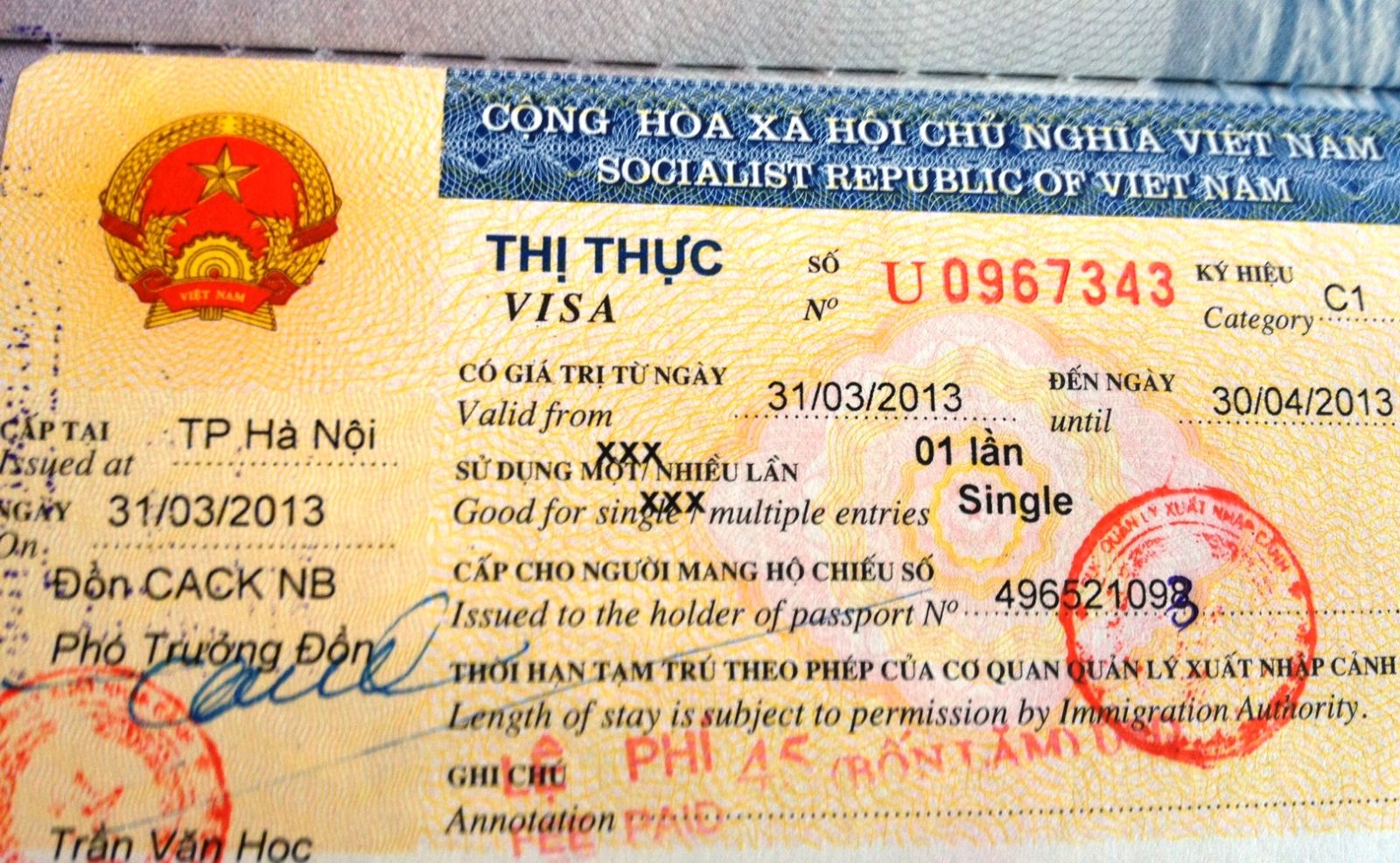
Meeting the eligibility criteria for a Vietnam visa is essential to avoid delays or complications in your travel plans. Each visa type has specific requirements that applicants must fulfill.
Nationality Considerations
Vietnam’s visa policies are influenced significantly by the applicant’s nationality. Certain countries enjoy visa exemption privileges, allowing their citizens to enter Vietnam without a visa for a limited time.
For example, nationals from ASEAN countries do not require a visa for short stays, typically under 30 days. However, if you are not from one of these countries, it is crucial to check the current visa policy applicable to your nationality.
Purpose of Travel
The primary reason behind your visit also plays a critical role in determining your eligibility for a specific visa type. Ensure that your intended activities align with the visa category you are applying for; otherwise, this could lead to rejection.
Duration of Stay
Your intended length of stay influences the type of visa you can obtain. If you plan to stay longer, ensure that you apply for the relevant multi-entry or extended-stay visa type.
A clear understanding of how long you intend to remain in Vietnam will help streamline your application process and enable you to budget accordingly for any potential extensions or changes.
Validity of Passport
One often overlooked requirement is ensuring that your passport is valid for at least six months beyond your planned departure date from Vietnam. Additionally, having blank pages available for visa stamps is equally important.
Double-checking your passport details before submitting your visa application can save you from unnecessary headaches later.
Step-by-Step Guide: Applying for a Vietnam Visa from Thailand
Now that you have a good understanding of the types of visas and eligibility criteria, let’s break down the application process into manageable steps.
Step 1: Gather Required Documents
Begin by collecting all necessary documentation. This usually includes:
- A completed visa application form.
- Passport-sized photographs.
- Valid passport with at least six months validity.
- Proof of accommodation, such as hotel bookings.
- Flight itinerary indicating entry and exit dates.
Having these documents ready will expedite the application process and minimize the chance of errors that could lead to delays.
Step 2: Choose Your Application Method
You have several options to apply for a Vietnam visa, which will be discussed in detail in the next section. Depending on your preference and circumstances, select the method that best suits your needs, whether it’s applying through an embassy, utilizing an e-visa, or opting for visa on arrival.
Step 3: Pay the Visa Fee
Visa fees can vary depending on the type of visa and the processing method chosen. Ensure that you are aware of the applicable fee and payment methods accepted by the embassy or online platform.
Keep a receipt of your payment, as this may be required when submitting your application.
Step 4: Submit Your Application
For embassy applications, visit the nearest Vietnamese embassy or consulate in Thailand. If you’re applying online for an e-visa, follow the instructions provided on the official website.
Step 5: Await Processing
Processing times may differ based on your application method and the volume of applications being processed. Typically, standard visa processing takes around three to five working days, although expedited services may be available for an additional fee.
Step 6: Collect Your Visa
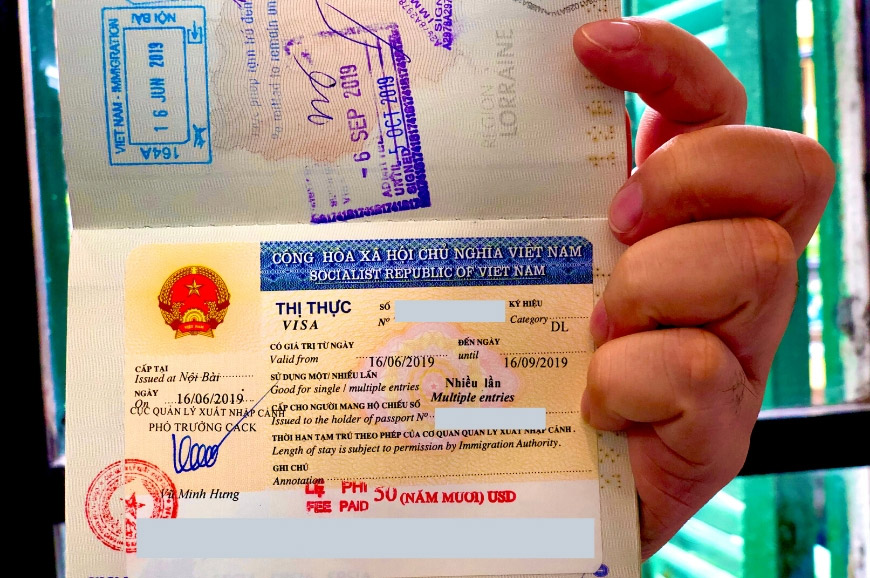
Once your visa application is approved, you will either receive your visa via email (for an e-visa) or pick it up at the embassy. Ensure you verify the details printed on your visa for accuracy to avoid issues upon arrival in Vietnam.
By following these steps diligently, you can simplify the visa acquisition process and focus more on planning the exciting parts of your forthcoming journey.
Required Documents: Preparing Your Vietnam Visa Application
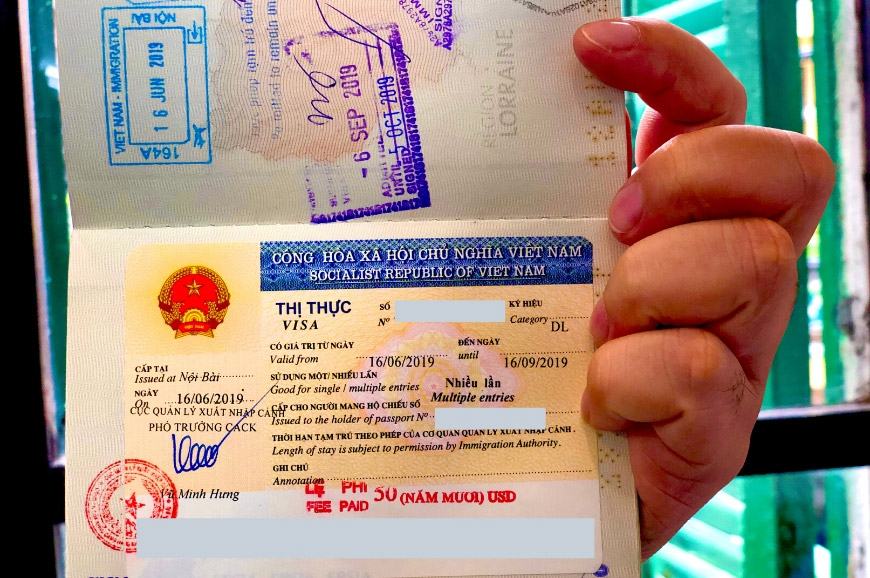
Preparing the right documents is crucial to ensuring a successful Vietnam visa application. Each visa type comes with specific requirements, but some common documents are requisite across most applications.
Valid Passport
The cornerstone of your visa application is your passport. It must meet all criteria, including:
- Valid for at least six months post your intended exit from Vietnam.
- Containing at least two blank pages for visa stamps.
Ensure your passport is in good condition, without tears or damage, as this may hinder your application.
Completed Application Form
An accurate and fully filled application form is a non-negotiable document. This form typically requests basic personal information, including:
- Full name
- Date of birth
- Nationality
- Passport number
- Purpose of visit
Take your time when filling out this form to reduce the chances of errors that could delay processing.
Passport-Sized Photographs
Most visa applications require recent passport-sized photographs. Guidelines for these images often specify background color, size, and facial visibility. It’s advisable to have several copies taken to avoid having to return to the photographer later.
Proof of Accommodation and Travel Plans
Documentation that confirms your travel itinerary and accommodation arrangements is often required. This may include:
- Hotel reservations
- Travel tickets
Such evidence assures immigration authorities of your intended plans during your stay.
Additional Documentation for Specific Visa Types
Depending on the visa type you are applying for, additional documents may be necessary. For example:
- Business Visa: An invitation letter from your employer or company in Vietnam.
- Student Visa: Acceptance letters from educational institutions in Vietnam.
- Family Reunification Visa: Proof of relationship to the resident in Vietnam.
Always check the specific requirements for the visa type you are applying for to avoid missing crucial documents.
Application Methods: Vietnam Visa at Embassy vs. E-Visa vs. Visa on Arrival
With the various ways to apply for a Vietnam visa, selecting the right method hinges on convenience, travel plans, and eligibility.
Vietnam Visa at Embassy
Applying through the Vietnamese embassy is a traditional yet reliable approach, especially for those who prefer in-person interactions. The benefits of this method include:
- Direct communication with embassy staff for inquiries.
- Increased control over the application process.
However, visiting an embassy may require setting aside time for appointments, waiting in line, and possibly traveling longer distances.
E-Visa: Convenience at Your Fingertips
The e-visa system is a modern alternative that offers expedience and ease in the application process. Available to citizens of eligible countries, you can complete your application online without needing to visit an embassy.
Some advantages of the e-visa include:
- Quick processing times, often within three working days.
- Elimination of physical paperwork as everything is submitted digitally.
However, ensure you are familiar with the specific conditions attached to e-visas, including maximum duration, entry types, and permitted activities.
Visa on Arrival: Perfect for Short Trips
The Vietnam visa on arrival method is suitable for tourists arriving by air. After booking your flight, you can apply online for an approval letter. Upon landing in Vietnam, you’ll present this letter, along with your passport and a few other documents, to receive your visa.
Key points to consider with visa on arrival:
- It’s only available for travelers arriving at certain international airports in Vietnam.
- Make sure to carry cash for the visa stamping fee upon arrival.
This option allows for great flexibility but requires advance planning to secure the approval letter before your travels.
Comparing the Three Methods
Each application method has its pros and cons, making it essential to assess your individual needs. Consider factors like your time frame, whether you prefer a digital approach or traditional interaction, and your travel itinerary when deciding which method to use.
Processing Times and Fees: Vietnam Visa Costs and Timelines Explained
Understanding the costs and timelines associated with obtaining a Vietnam visa is crucial for budgeting your trip effectively.
Standard Processing Times
The average processing time for a Vietnam visa differs based on your application method:
- Embassy Applications: Typically take three to five working days.
- E-Visas: Usually processed within three working days.
- Visa on Arrival: Requires an approval letter obtained online before arriving, usually taking around two working days.
Keep in mind that these timelines can vary based on factors such as public holidays or high application volumes, so it’s wise to apply well in advance.
Visa Fees Overview
Visa fees fluctuate depending on the visa type and processing speed. Generally, the fees for each visa might look something like this:
- Tourist Visa: Ranges from $10 to $50 depending on duration and entry type.
- Business Visa: Can be higher, often between $25 to $100 based on the specifics.
- E-Visa: Typically around $25 for a single-entry visa.
Be sure to check the latest fee structures as they can change based on government regulations.
Additional Costs to Consider
In addition to the standard visa fees, keep in mind any supplementary costs that may arise. These could include:
- Service charges for expedited processing.
- Currency conversion fees if paying in Thai Baht.
- Transportation costs if visiting the embassy in person.
Planning for these extra expenses will help you avoid unexpected budgetary constraints.
Essential Tips: Avoiding Common Mistakes When Applying for a Vietnam Visa from Thailand
While applying for a Vietnam visa may seem straightforward, small mistakes can lead to significant delays or even rejections. Here are some essential tips to help you navigate the application process successfully.
Double-Check All Information
Errors in your application form can lead to refusals or the need for resubmission, causing unnecessary delays. Always double-check:
- Spelling of names
- Passport numbers
- Dates of travel
Taking the time to verify this information before submission can save you considerable hassle.
Keep Up-to-Date with Changing Regulations
Vietnam’s visa policies can change frequently, impacting eligibility and requirements. Before you apply, make sure to:
- Visit official government websites for the most accurate information.
- Consult with the Vietnamese embassy in Thailand if you have any doubts.
Staying informed will help you avoid pitfalls and ensure smooth processing of your application.
Prepare for Additional Queries
Sometimes, your application may prompt additional questions from embassy officials or online platforms. Be ready to provide:
- Clarifications regarding your travel purpose.
- Proof of financial means to support your stay.
Having these materials prepared can expedite the decision-making process.
Utilize Reliable Resources
When seeking information or assistance with your application, rely on trustworthy sources. Government websites, reputable travel agencies, and forums with verified user experiences can offer invaluable insights.
Engaging with seasoned travelers who’ve navigated the process can provide unique perspectives and tips that can enhance your understanding.
Conclusion
Acquiring a visa for Vietnam from Thailand doesn’t have to be a daunting task, provided you understand the requirements and processes involved. By leveraging the tips and information outlined in this guide, you can facilitate a seamless application experience and set the stage for an unforgettable adventure in Vietnam. From breathtaking natural wonders to vibrant urban scenes, the beauty of Vietnam awaits – armed with the right visa and preparations, you’re all set for an incredible journey!
VISAONLINEVIETNAM – The Fastest Most Trusted Way to Get a Vietnam Visa Online
If you’re searching for how to get a Vietnam visa quickly and securely, VISAONLINEVIETNAM is the answer. Trusted by millions of travelers worldwide, we are the leading online platform offering fast-track Vietnam visa services, including e-Visas, Visa on Arrival, and urgent visa approvals within 1 hour.
🔎 What Is VISAONLINEVIETNAM?
VISAONLINEVIETNAM is a government-licensed visa support company under VIETNAM VISA SERVICE., Co. LTD (License No. GP79-031/2009/TCDL). Since 2009, we’ve served over 5 million global clients, helping tourists, businesspeople, students, and expatriates obtain their visas to Vietnam safely and efficiently.
🌟 Why Travelers Choose VISAONLINEVIETNAM
- ✅ 100% Application Support — Avoid errors and delays
- 🕐 Super Express Visa — Get approval in 30 minutes to 4 hours
- 🛂 No Embassy Visit Needed — Apply entirely online
- 🌍 Supports 200+ Nationalities — Including USA, UK, EU, Australia, Japan, South Korea, India
- 💬 Multilingual 24/7 Support — English, French, Chinese, and more
📌 Visa Services We Offer
1. Vietnam E-Visa (Electronic Visa)
- ✅ Valid for 30 to 90 days
- ✅ Single or multiple entries
- ✅ Processing time: 3–5 business days (urgent options available)
- ✅ Entry via 52 international checkpoints in Vietnam
2. Visa on Arrival (VOA)
- ✅ Receive approval letter by email
- ✅ Pick up visa at Vietnam international airports
- ✅ Ideal for travelers needing visas in under 48 hours
3. Urgent / Emergency Vietnam Visa
- ⚡ Processing time: 1–4 hours
- 🛬 Perfect for missed flights, medical cases, or last-minute business trips
- ⏳ Available during weekends holidays
🧳 Extra Services for Travelers
- 🚀 Fast Track Immigration at Airports
- 🚘 Airport Pickup with Name Sign
- 📝 Visa Extension TRC Support
- 🧾 Legal Document Translation Notarization
👩💻 How to Apply for a Vietnam Visa Online (Step-by-Step)
- Go to: https://visaonlinevietnam.com
- Choose your visa type (Tourist, Business, Urgent…)
- Fill in your details and upload your passport photo
- Pay securely via credit card or PayPal
- Receive visa approval by email and print it
- Arrive in Vietnam and enjoy your trip!
📍 Contact VISAONLINEVIETNAM
- 🌐 Website: https://visaonlinevietnam.com
- 📧 Email: [email protected]
- ☎️ USA Hotline: +1 (972) 666-0676
- 📱 WhatsApp / Zalo: (+84) 968 18 77 18
- 📍 Address: 1728 Big Canyon Trail, Carrollton, TX 75007, USA
✈️ Ready to Visit Vietnam?
Whether you’re planning a holiday getaway, a business meeting, or an unexpected emergency visit, VISAONLINEVIETNAM ensures you get your visa quickly, legally, and stress-free.
🟩 Apply now and receive your visa within hours — even during nights or holidays!